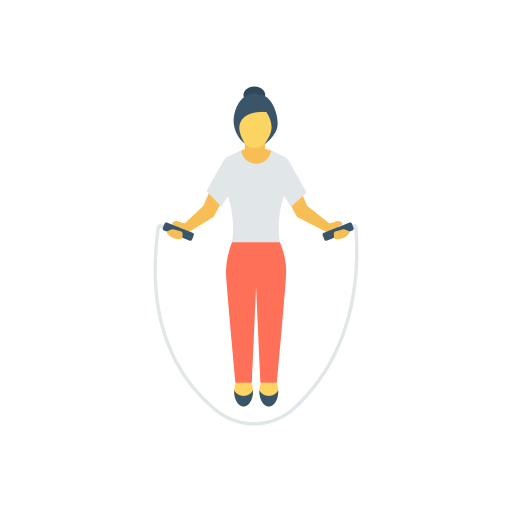
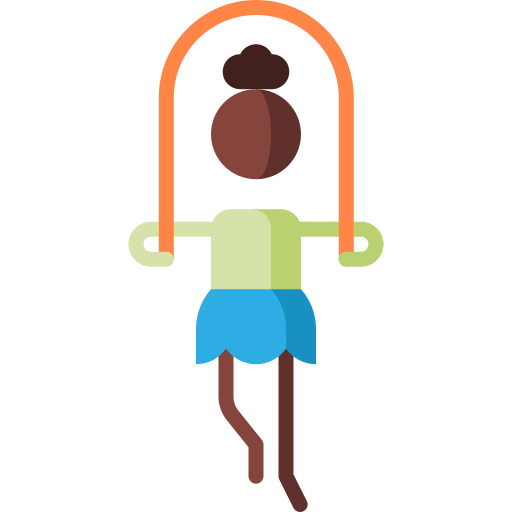
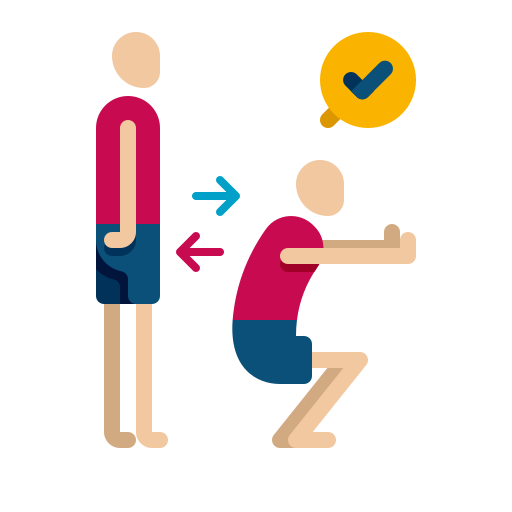
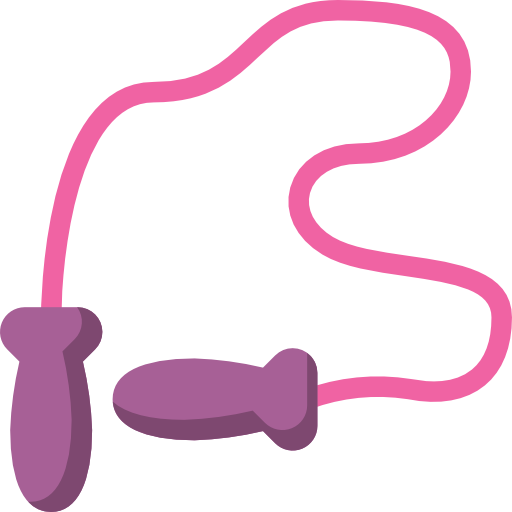
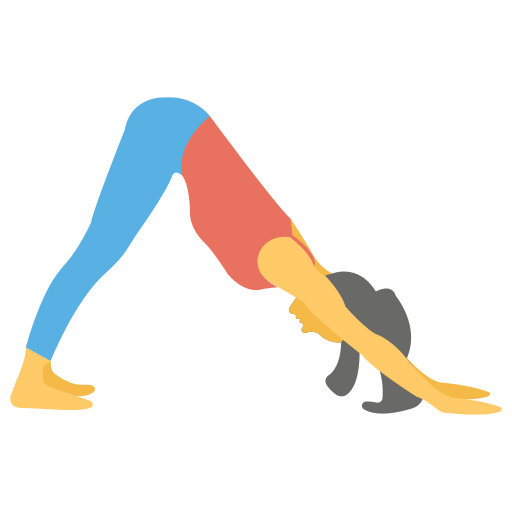
Simple exercises like walking and jumping rope build lasting health habits.
Getting started with exercise doesn't require a gym membership or fancy equipment — it just takes a commitment to showing up for yourself every single day. Many people sit on the fence, waiting for the perfect moment that never arrives. The truth is, even small daily changes add up to real results over time. If you've exercised before, you may have noticed your stamina, flexibility or strength slipping. The good news? You can rebuild those qualities without overwhelming yourself. Start with something simple and enjoyable.

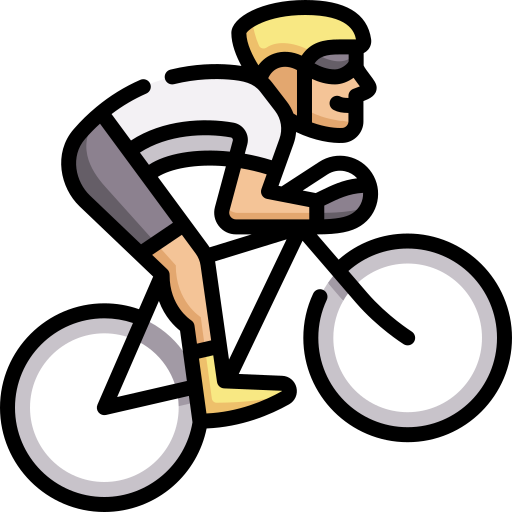
Walking counts. Stationary biking works too. And if you want to elevate your cardio game quickly, consider adding jumping rope to your routine — it's one of the most efficient full-body workouts you'll ever find. Before you dive into any new activity, take time to prepare your body properly. A few minutes of light stretching before and after exercise can mean the difference between a sustainable habit and a quick trip to the injury shelf. Your joints reward flexibility with smoother movement and faster recovery. Begin with low-impact activities like brisk walking around your neighborhood or even pacing through your apartment during TV commercials.
🙊
You'd be surprised how many extra minutes you can carve out — try walking to the bus stop, taking a lunch break stroll or simply committing to thirty minutes at home. If walking feels too demanding at first, stationary biking offers a gentler entry point. Work in small increments. Five minutes today, ten tomorrow. Gradually build toward thirty-minute sessions without pushing past your comfort zone too fast. Consistency matters far more than intensity when you are building a fitness foundation. Pushing through fatigue and boredom teaches your brain that exercise equals endurance, not misery.
👩🏻
Pick activities you genuinely enjoy rather than forcing yourself through routines that feel like punishment. You do not need to follow every exercise idea out there — choose two or three that stick and repeat them reliably. As your body adapts, you will notice improvements beyond the obvious: better sleep quality, fewer nighttime disruptions and more energy throughout the day. Jumping rope becomes even more rewarding when your body is conditioned to handle it, so let your fitness grow naturally. Your sleep environment plays a bigger role in recovery than most people realize. A supportive mattress that keeps your spine aligned without being uncomfortably hard makes mornings easier and rest deeper. Memory foam can be a worthwhile investment if you toss and turn frequently.
😍
Pair that with a cool, dark room and you have everything you need to wake up refreshed. When sleep improves, every aspect of your workout improves too. You recover faster, train harder and stay motivated longer. To jump rope effectively, you need those quality rest periods built into your schedule. Take the first step today, stay patient with your progress and remember that the best exercise program is the one you actually follow. Your future self will thank you for starting now instead of waiting for tomorrow.